


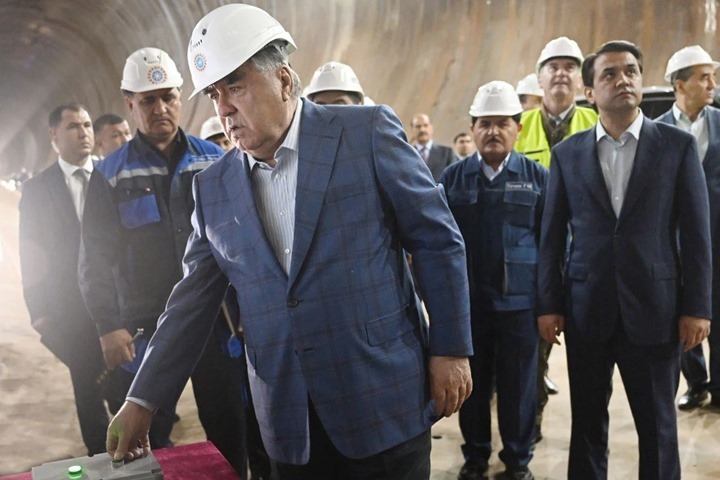
Tajik President Emomali Rahmon, speaking at a meeting with the constructors of the Rogun hydropower plant, said that negotiations with the World Bank for a $650 million grant — and with the Asian Infrastructure Investment Bank for a $500 million loan — are in their final stages.
Earlier, agreements on preferential lending were signed with the Islamic Development Bank for $150 million and the Saudi Fund for Development for $100 million. In addition, Arab development funds, such as the OPEC Fund, Kuwait Fund, and Abu Dhabi Fund, have already decided to allocate an additional $100 million. Negotiations are underway with the Asian Development Bank and the European Investment Bank to attract grants and preferential loans.
Rahmon noted that from 2008 to 2024, more than 42.5 billion somoni (about $3.8 billion) from the state budget and other sources were allocated to construct the hydropower plant. He emphasized that Rogun is a crucial facility that ensures the country’s energy independence and economic development.
According to him, 7.5 billion kilowatt-hours of electricity have been produced since the launch of the first two units in 2018. More than 17,000 workers and engineers are currently employed in the plant’s construction, and their number continues to grow.
Rahmon also noted the need for strict adherence to the work schedule. The installation of the next hydro unit is planned for the fall of 2026.
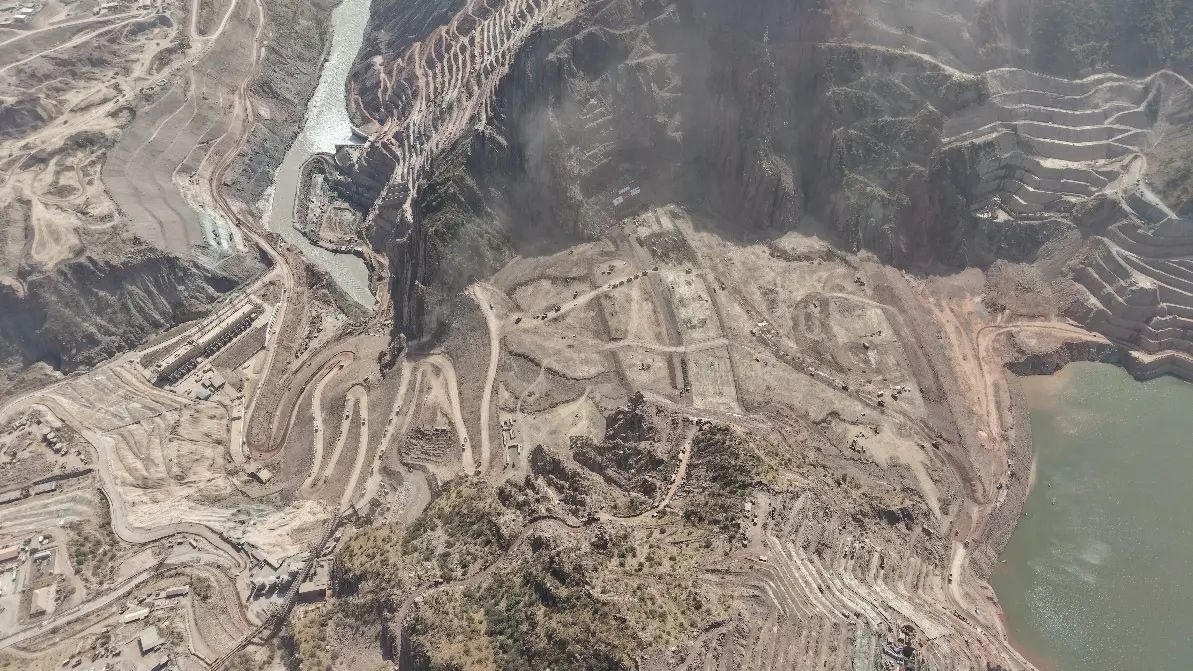
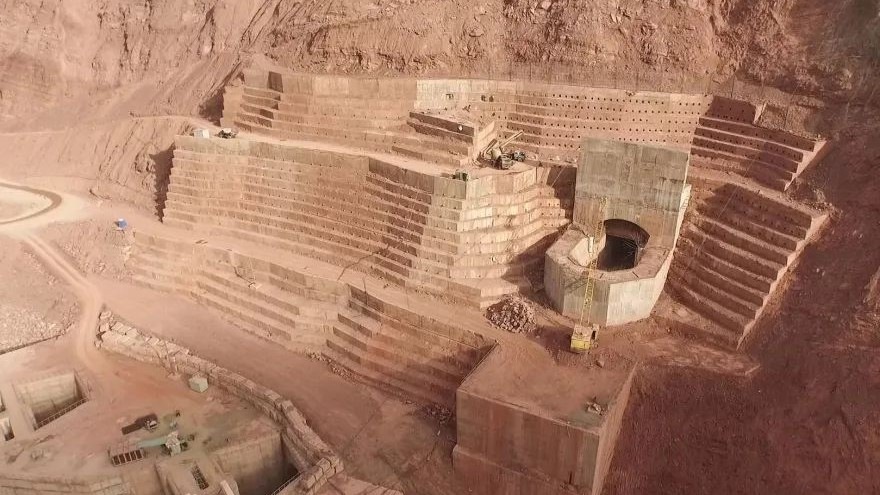
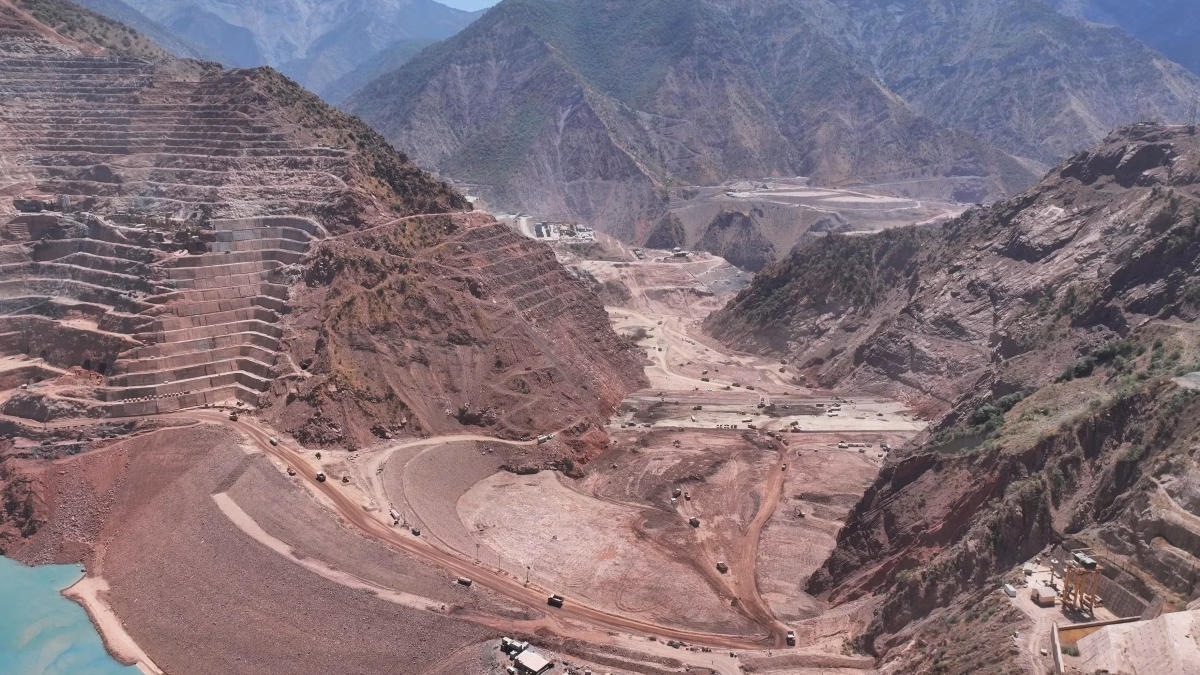
The Rogun hydropower plant is located 110 kilometers east of Dushanbe, and is one of Central Asia’s largest and most strategically important hydropower projects. Once completed, it will be the highest dam in the world, at 335 meters.
Construction of the project began in 1976 but was suspended after the collapse of the USSR. Work resumed in 2016, and two turbines are producing electricity. In the future, the hydropower plant will have six turbines with a total capacity of 3,600 MW. Once completed, it will generate 17.1 TWh of electricity per year.
The project also addresses water supply issues; the reservoir will irrigate 300,000 hectares of land and reduce sedimentation at the downstream Nurek HPP. Part of the energy is planned to be exported to neighboring countries.
Leave a Reply