


The ambitious Rogun HPP construction project, designed to secure Tajikistan’s energy independence and turn the country into a major electricity exporter, could lead to serious problems for its financial stability. In their new economic outlook, analysts from the Eurasian Fund for Stabilization and Development (EFSD) warn that the massive financing of this megaproject is fraught with significant risks to the republic’s fiscal and debt sustainability.
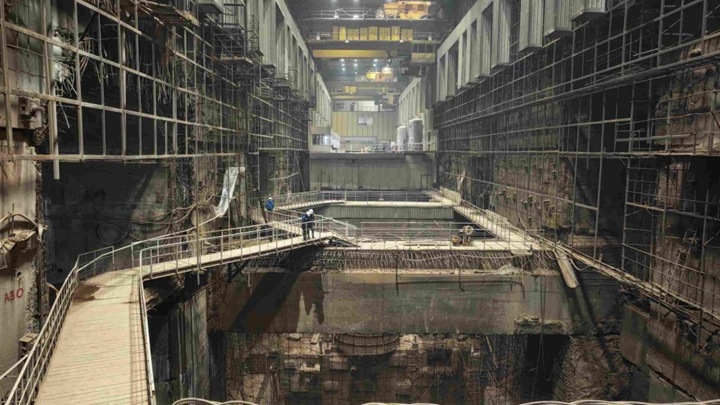
According to the experts’ forecast, the high expenditures associated with completing the hydroelectric power plant have become the key reason for revising the state budget deficit forecast upwards. While Tajikistan’s economy is currently showing robust growth, largely thanks to the service sector and migrant remittances, the financial burden of the Rogun HPP will be fully felt in the medium term. The budget deficit is projected to reach 1.3% of GDP in 2026 and grow to 1.6% of GDP in 2027.
EFSD specialists point to two main threats. The first is a potential significant increase in the project’s final cost, which would require additional, unplanned injections from the state treasury. The second is the need to increase spending in other socially important areas amid limited fiscal capacity. In effect, the country risks finding itself in a situation where all financial reserves are channeled into one giant project at the expense of other economic and social sectors.
The situation is compounded by systemic problems in Tajikistan’s energy sector. Experts note that the risks to the budget and public debt could seriously increase after 2027 if the financial recovery of the sector is not completed. This implies addressing such sensitive issues as raising electricity tariffs for households and businesses, improving payment collection, and drastically reducing technical and commercial losses in the grids.
Thus, despite the current positive macroeconomic indicators, including high GDP growth of 8.2% in the first quarter of 2025 and a temporary budget surplus, the long-term prospects raise serious concerns among analysts. The pursuit of the national dream in the form of the Rogun HPP places Tajikistan’s economy in a vulnerable position, where any unforeseen cost increase or external economic shock could critically disrupt the fragile fiscal balance and lead to an uncontrolled rise in public debt.
Leave a Reply