


The World Bank’s Inspection Panel has agreed to formally investigate the World Bank’s involvement in the Rogun Hydropower Project (HPP) in Tajikistan, following a complaint filed on behalf of communities living downstream on the Amu Darya River in Uzbekistan and Turkmenistan.
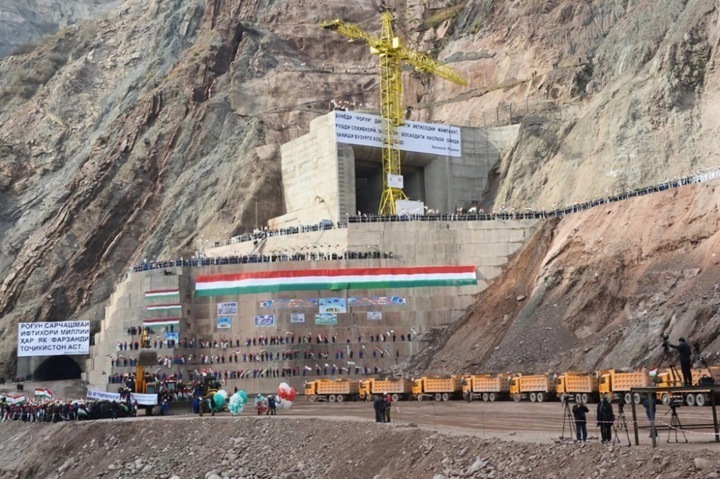
The complaint, submitted by the international environmental coalition Rivers without Boundaries, raises serious concerns about the project’s environmental and social impacts. The group claims the World Bank approved funding for the project based on outdated and incomplete assessments, failing to adequately consider risks to local ecosystems and communities.
At the heart of the issue is the potential impact of filling the Rogun reservoir, which could reduce water flow to the Amu Darya delta by 25% or more. Experts warn this could accelerate desertification, increase soil salinity, and threaten the livelihoods and health of up to 10 million people in Uzbekistan and Turkmenistan.
Particularly vulnerable are the region’s rare tugai forests, including the Tigrovaya Balka Reserve, which was inscribed on UNESCO’s World Heritage List in 2023. The dam’s construction also endangers local aquatic species, such as the critically endangered Amu Darya false shovelnose sturgeon.
“This investigation is a crucial step,” said Yevgeny Simonov, international coordinator of Rivers without Boundaries. “The Rogun project in its current form is a massive threat to the environment and to millions of people in Central Asia. The World Bank must adhere to its own environmental and social safeguards.”
Activists also criticized the lack of public consultation in Uzbekistan and Turkmenistan, where affected communities were allegedly not informed in their native languages, Uzbek, Karakalpak, or Turkmen and where access to key documents was limited. Several complainants reportedly requested anonymity, citing fear of retaliation, which reflects the challenging environment for civic participation in the region.
“People living in the lower Amu Darya basin have already suffered for decades due to poor water management and the drying of the Aral Sea. The Rogun project could be the final blow,” said Manana Kochladze of CEE Bankwatch Network. “There has been no serious dialogue with those whose lives depend on this river, which contradicts the basic principles of transparency and participation.”
In 2023, environmental groups submitted proposed modifications to align the Rogun project with international standards, including cheaper and safer alternatives. However, the World Bank has yet to respond. Rivers without Boundaries alleges that the project violates multiple Bank policies, including those on environmental assessment, biodiversity protection, resource efficiency, dam safety, community engagement, and resettlement.
The coalition is now urging the World Bank and other financiers to pause funding until a comprehensive, independent, and transparent investigation is completed and until meaningful steps are taken to prevent further harm to both people and nature.
Leave a Reply