


The World Bank is under fire over allegations of impropriety in financing the Rogun Dam project in Tajikistan. Specifically, bank officials are facing accusations that they failed to comply with procedures to account for potential environmental and socio-economic harms associated with the project.
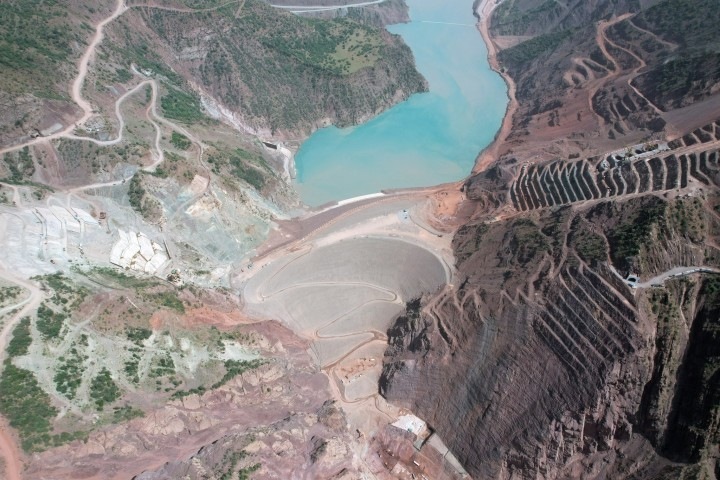
A statement issued April 8 by the World Bank’s Inspection Panel, an independent investigative body, announced the registration of a formal Request for Inspection, in effect a complaint, concerning the bank’s involvement in the Rogun hydropower project (HPP). Bank officials now have three weeks to respond to the allegations raised in the complaint. At that point, the Inspection Panel will decide whether or not to conduct a formal investigation.
The complaint was initiated in February by two concerned citizens in Turkmenistan and Uzbekistan with the assistance of a Kazakhstan-based environmental organization, Rivers without Boundaries.
“The Rogun HPP project in its current, unfinished form poses a colossal threat to environmental stability and the well-being of millions of people in Central Asia,” said a statement issued by Rivers without Boundaries. “The applicants argue that the decision to finance the construction of the Rogun HPP was made by the World Bank’s Board of Directors despite an incomplete and outdated Environmental and Social Impact Assessment (ESIA), which does not adequately reflect the transboundary risks and cumulative impacts of the project on vulnerable ecosystems and people in the Amu Darya River basin.”
The complaint characterized the Rogun project, which currently has a price tag exceeding $8 billion, as among the “most expensive and time-consuming false solutions” to address electricity shortages in Tajikistan and reduce carbon emissions. A study published by Rivers without Boundaries in late 2024 alleged that Rogun is a white elephant in the making, and is likely to be outmoded as an efficient and profitable generator of electricity before it becomes fully operational.
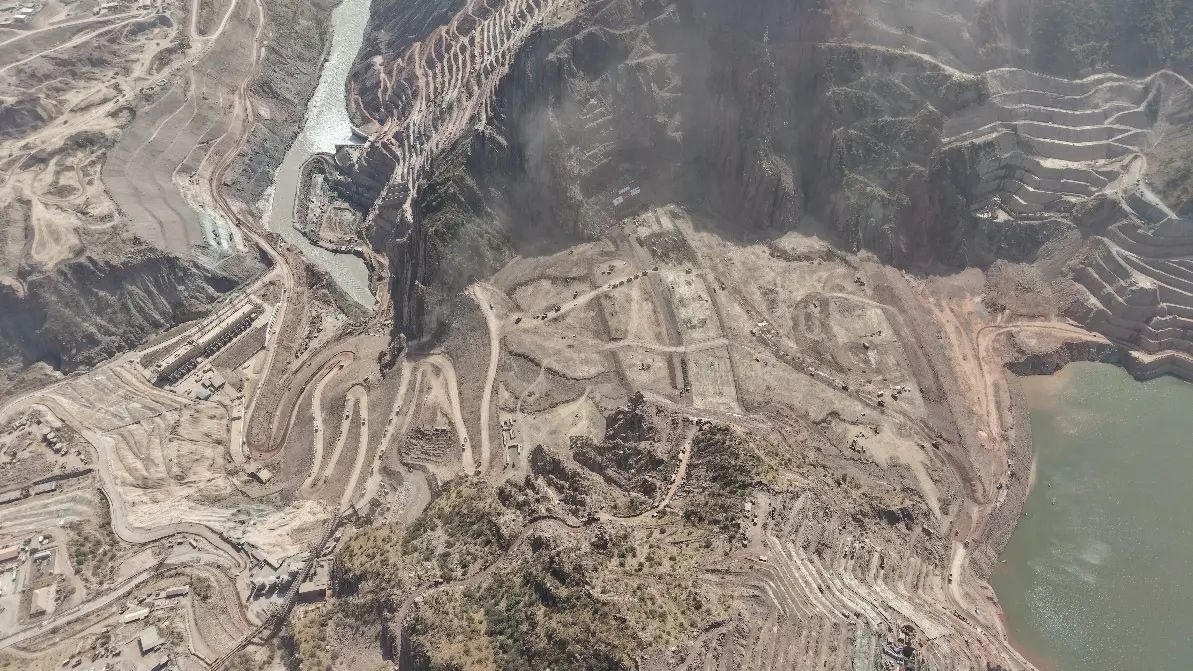
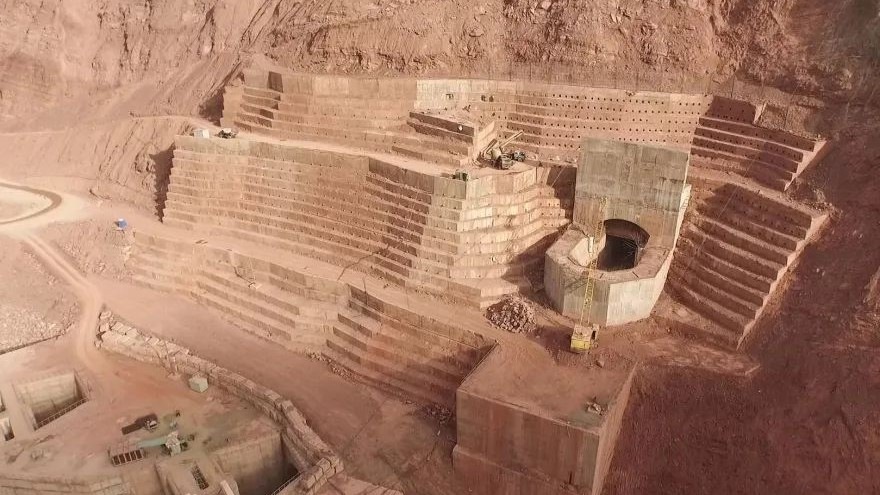
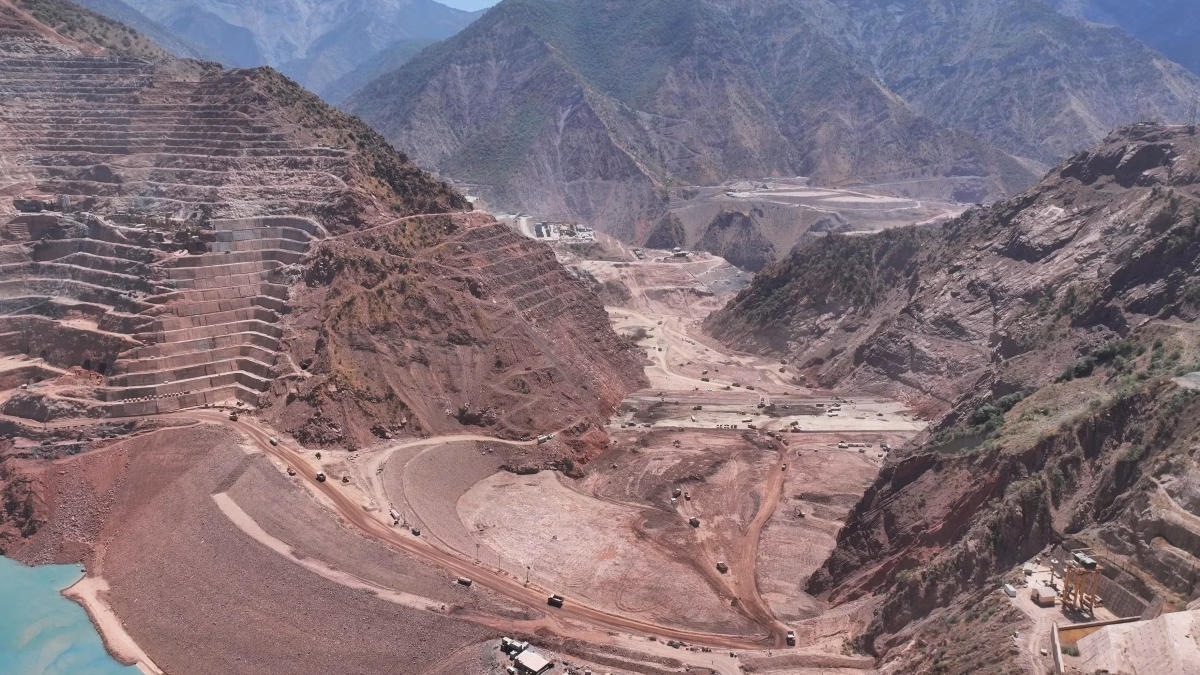
The World Bank approved a $350 million grant in December to be used to help complete the dam’s first phase of construction. If built to its present specifications, Rogun would be the world’s tallest dam, capable of producing 3,600 megawatts of power per year. Bank officials have described the project as a “transformative clean energy project that will improve domestic and regional welfare and contribute to the decarbonization of regional power grids in Central Asia.”
Initial due diligence conducted by the Inspection Panel found that the complaint was “not frivolous, absurd, or anonymous.”
The complaint alleges that World Bank officials relied on faulty and outdated data to evaluate the environmental impact of the dam’s operation. It goes on to assert the reservoir needed to generate electricity would reduce the flow of the already-stressed Amu Darya River by at least 25 percent, causing a “progressive catastrophe” adversely impacting the lives of up to 10 million people living downstream.
Perhaps the harshest allegation leveled against the World Bank’s approval process is that “the Project’s safeguard documents were not disclosed to impacted persons and communities in Tajikistan and in the riparian countries [Turkmenistan and Uzbekistan] and that meaningful consultations were not held,” according to the Inspection Panel statement.
Even before the Inspection Panel makes a determination on whether to proceed with a full investigation, environmental activists are seeking an immediate halt to Rogun’s construction.
The Rivers without Boundaries statement “calls on the World Bank and other financial institutions involved in the Rogun HPP construction project in Tajikistan to suspend funding until a comprehensive, independent and transparent investigation of all issues raised in the request is conducted, and adequate measures are developed to prevent and mitigate the negative consequences of the project.”
Leave a Reply