


Kazakhstan is ready to sign an intergovernmental agreement on electricity supplies from Tajikistan’s Rogun hydropower plant, previously outlined in the 2023 memorandum, Minister of Energy of Kazakhstan Yerlan Akkenzhenov said during talks with Tajikistan’s Minister of Energy and Water Resources Daler Juma on the sidelines of the KazEnergy Forum, part of Kazakhstan Energy Week 2025 in Astana, Trend reports via the Ministry of Energy of Kazakhstan.
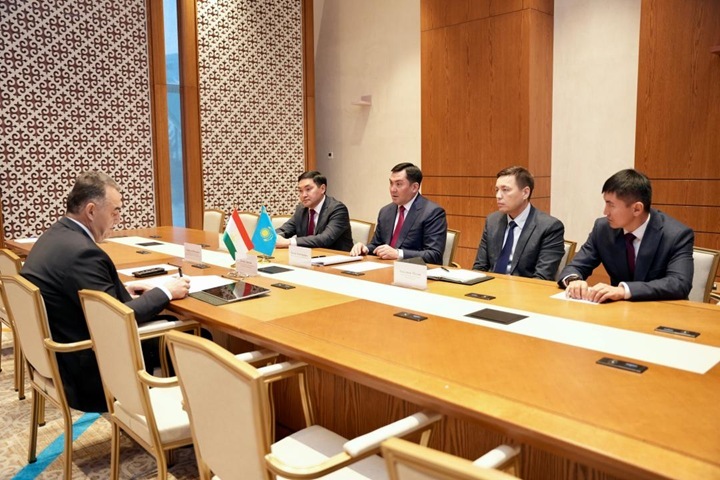
“We see this agreement as a comprehensive tool that will help balance the energy system, support agriculture, and strengthen food security,” Akkenzhenov said.
The ministers also discussed the synchronization of the energy systems of Kazakhstan, Tajikistan, and Uzbekistan. In this regard, Kazakhstan Electricity Grid Operating Company (KEGOC) and Tajikistan’s national energy companies will continue joint work to coordinate technical transit modes.
Akkenzhenov articulated appreciation towards the Tajik contingent for their engagement in the forum, underscoring that this exemplifies a robust indicator of confidence and fortifies the camaraderie between the two nations.
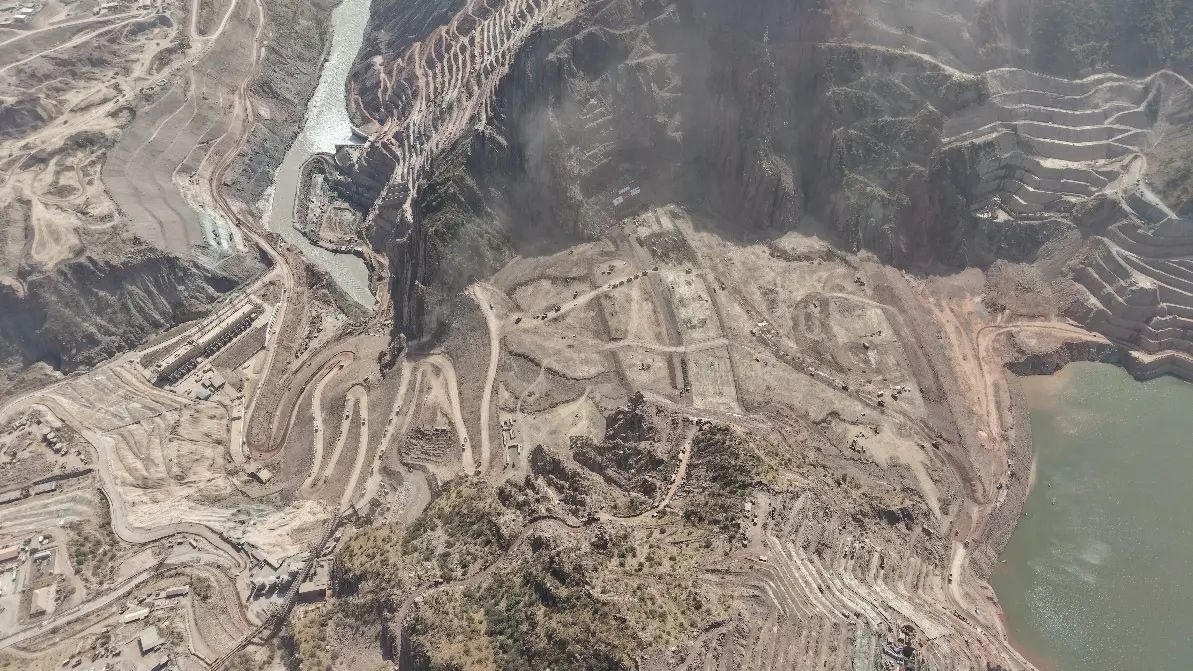
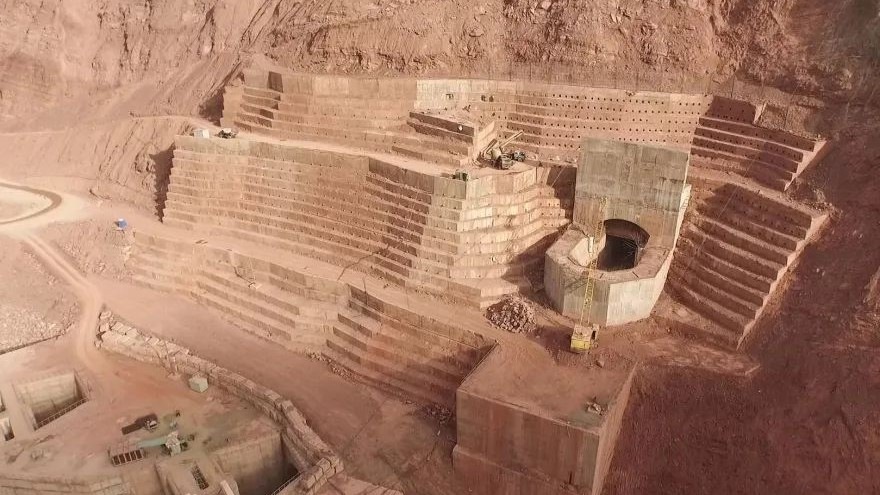
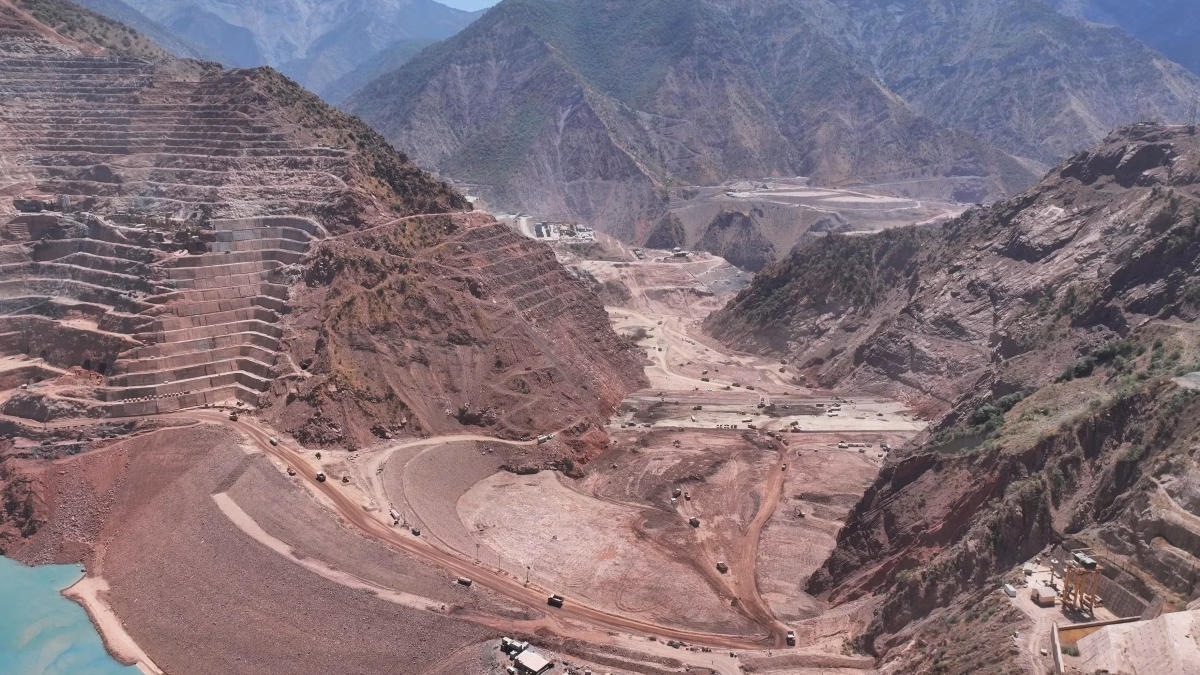
The Rogun HPP, located on the Vakhsh river, is designed to include six generating units, bringing the total installed capacity to 3,780 MW upon full completion, according to the Rogun HPP company. The first unit was launched on November 16, 2018, and the second unit was commissioned on September 9, 2019. Earlier reports had estimated the total installed capacity of the Rogun HPP at 3,600 MW upon full completion.
Sustainable financing for the Rogun HPP project is part of a multiphase program estimated at approximately $6.3 billion. The first phase, valued at $3.39 billion, is financed by the Asian Development Bank (ADB), the Islamic Development Bank (IsDB), the European Investment Bank (EIB), the Kuwait Fund for Arab Economic Development (KFAED), the OPEC Fund for International Development, the Saudi Fund for Development (SFD), and other financial institutions.
Once completed, the plant will feature a 335-meter-high dam and a reservoir with a capacity of 13.3 cubic kilometers, enabling it to generate an average of 14,400 gigawatt-hours (GWh) of electricity annually.
Leave a Reply