


The future of Tajikistan’s flagship infrastructure project, the Rogun Hydropower Plant, has been thrown into doubt as the World Bank and other development partners delay financing until the government fulfils key conditions, Nezavisimaya Gazeta reported. The move reflects growing concerns among environmental groups and downstream communities in Uzbekistan and Turkmenistan over the dam’s ecological risks to the Amu Darya River.
A Strategic Asset With Mounting Costs
The Rogun project, often hailed as Tajikistan’s greatest national undertaking, is central to the government’s ambitions for energy independence and regional electricity exports. But it also represents one of the country’s most significant financial liabilities.
Standard & Poor’s Global Ratings recently affirmed Tajikistan’s sovereign credit rating at “B/B” with a stable outlook, but cautioned that Rogun is so costly it may never generate sufficient returns. The agency warned that the project could push the national budget into deficit by the end of 2025.
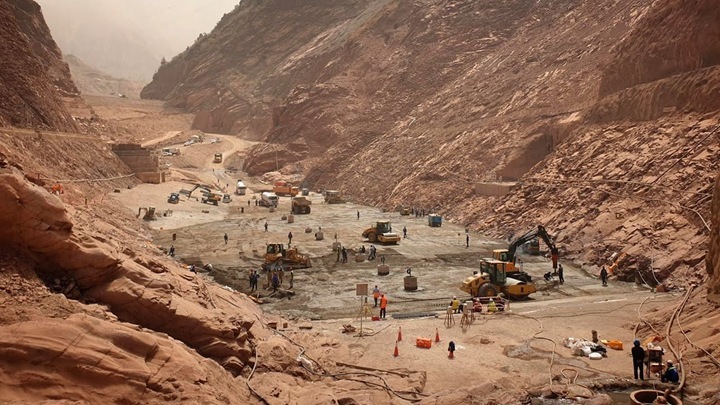
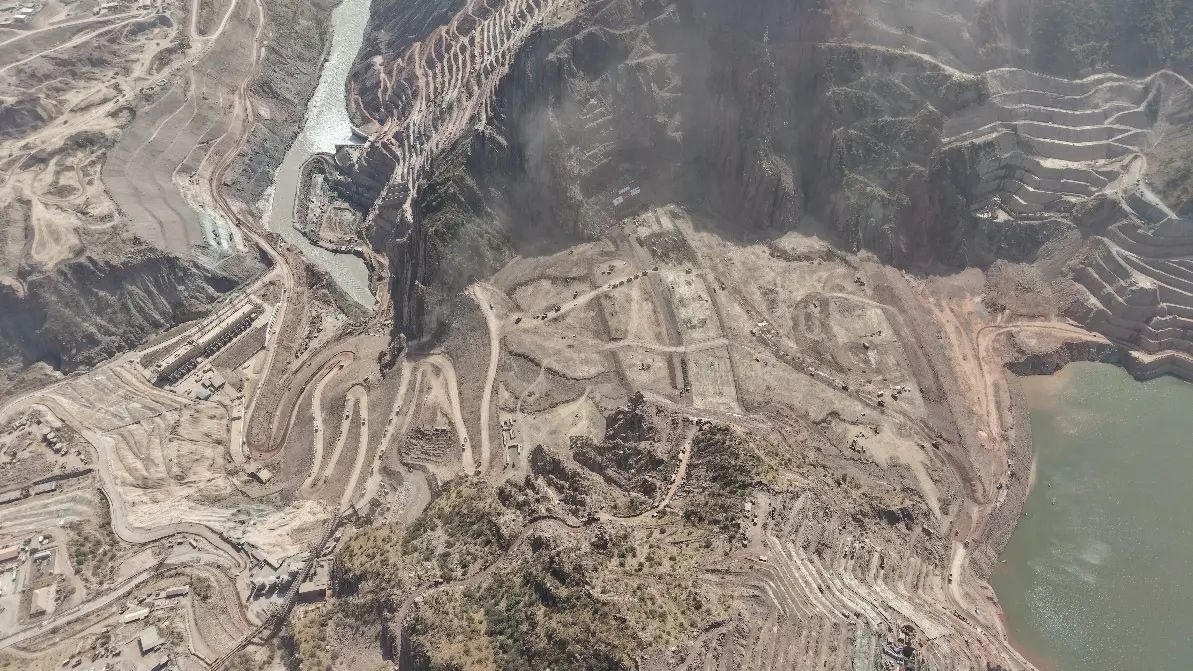
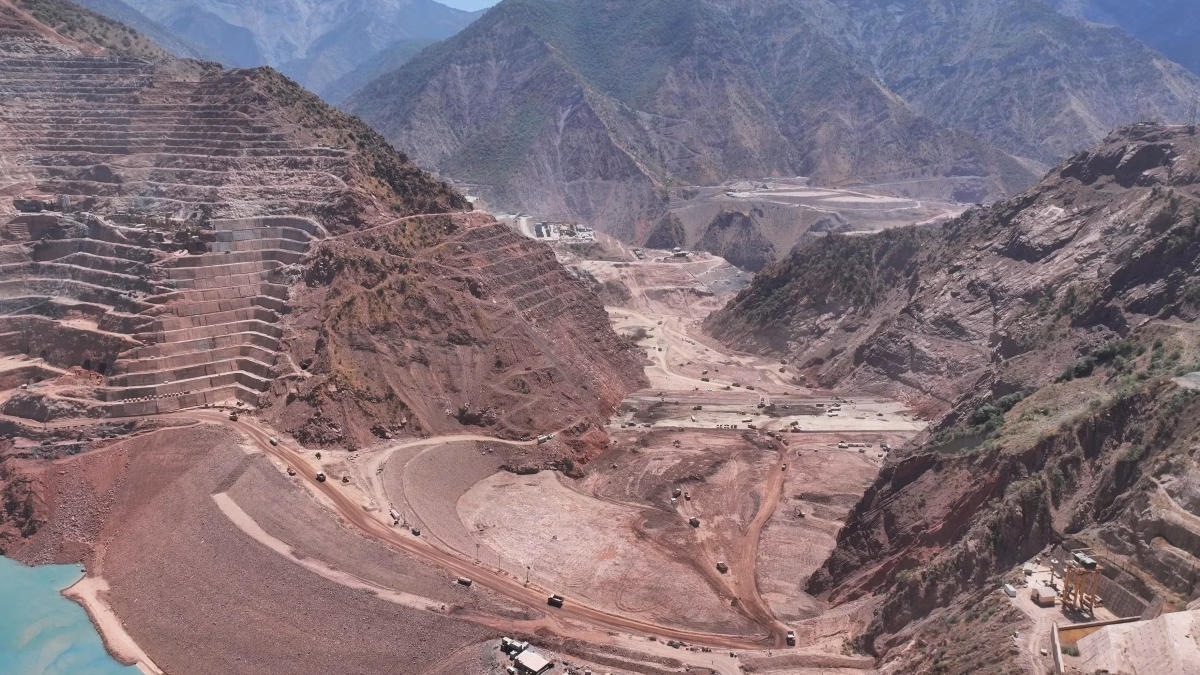
Construction of the dam began in 1976 under the Soviet Union but was suspended during Tajikistan’s civil war. Attempts to restart the project in the early 2000s stalled over disagreements with Russian partners. In 2016, the government relaunched the project with support from the World Bank, awarding the main construction contract to Italy’s Salini Impregilo (now Webuild). That same year, the Vakhsh River was diverted and dam construction resumed. Two turbines were commissioned in 2018 and 2019, but significant progress has since slowed.
To complete the plant, Tajikistan must install six additional turbines, raise the dam from its current 135 meters to the planned 335 meters, and secure an estimated $6.4 billion in new funding, roughly 40% of the country’s projected GDP for 2025.
Conditions for Continued Support
The World Bank has suspended further financing until Tajikistan presents a credible financing strategy that avoids unsustainable public debt, finalizes long-term electricity export agreements, and implements robust dam safety protocols. Without these conditions in place, the Bank has stated it cannot continue its support.
Environmental opposition to the project has also intensified. The international coalition Rivers without Boundaries has warned that filling the Rogun reservoir could reduce Amu Darya river flows by more than 25%, accelerating desertification and endangering the livelihoods of up to 10 million people in Uzbekistan and Turkmenistan.
Alexander Kolotov, a representative of the coalition, told Nezavisimaya Gazeta that the World Bank’s board is expected to review a report based on complaints filed by downstream communities, though no specific date has been set. Kolotov emphasized that Rogun poses one of the largest economic risks to Tajikistan and questioned whether international lenders should deepen their involvement.
Broader Economic Fragility
Tajikistan faces additional vulnerabilities. The country remains heavily reliant on remittances from labor migrants in Russia, lacks economic diversification, and is projected to lose its “least developed country” status in 2026, potentially curtailing its access to concessional aid and financing.
For now, the Rogun Hydropower Plant stands as both a symbol of national aspiration and a looming financial gamble. Whether it becomes a cornerstone of regional energy security or a cautionary tale of overambition remains uncertain.
Leave a Reply